
How Traditions Can Foster Relationships
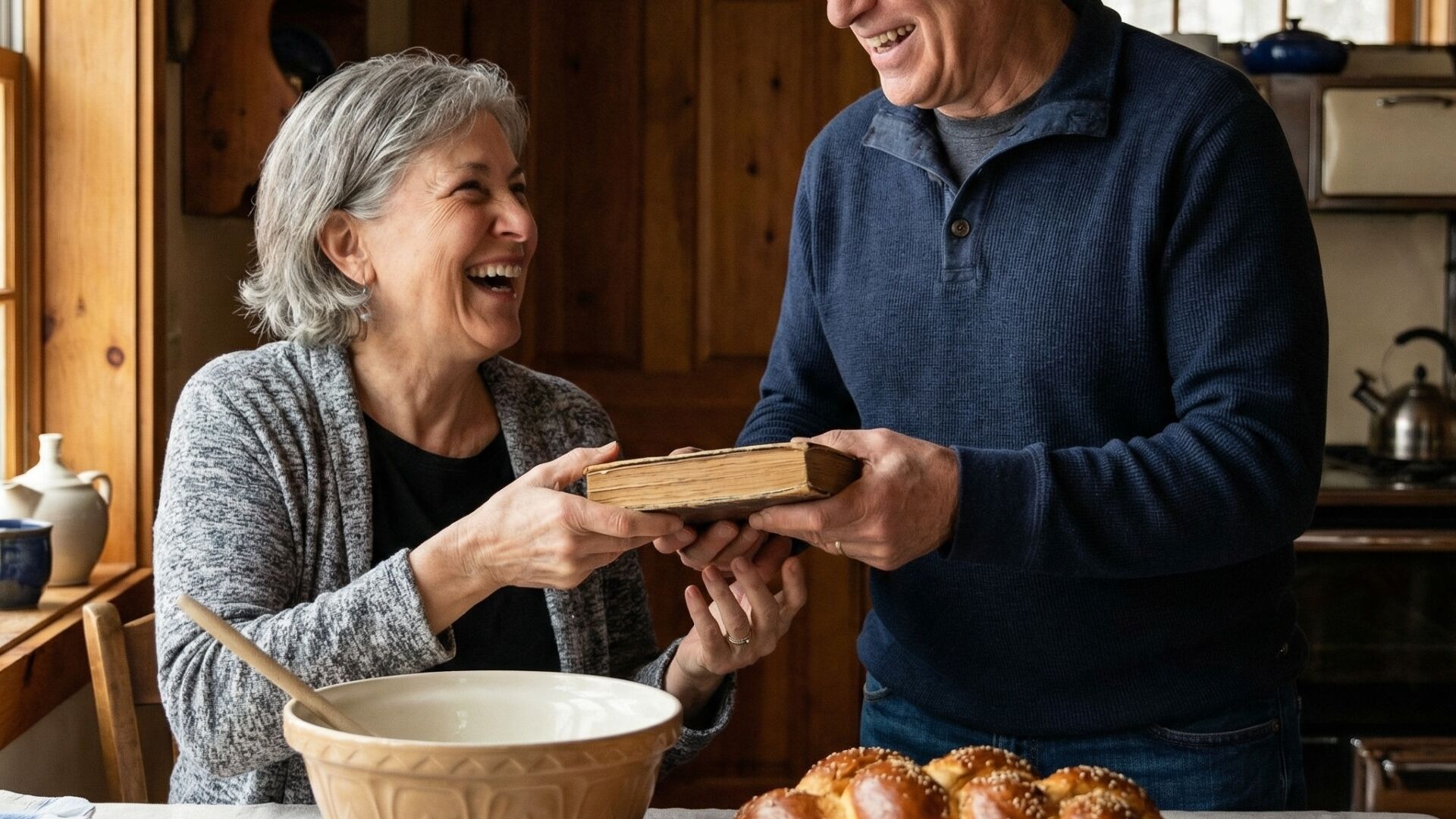

In an increasingly globalized world, it is important to understand the role of traditions and cultural heritage in our relationships. They not only provide a social framework but also strengthen the sense of belonging and identity. At lifescout.com, we specialize in promoting the art of conscious living by helping you distinguish the essential from the superficial and create authentic connections. In this article, we will look at how shared roots can be strengthened in relationships and why it is important to appreciate the cultural heritage that we share. We will also learn how these elements can help build healthier and more meaningful relationships, both with partners and with family and friends.
Traditions are not just rituals from the past; they are living practices that can shape the present. They create a connection between generations and provide a platform for exchanging common values and beliefs. For example, if you are in a relationship that encompasses different cultural backgrounds, sharing family traditions can foster deeper intimacy. A shared celebration that takes into account the cultures of both partners not only strengthens the bond but also teaches respect and appreciation for the differences each culture brings. In this way, traditions become a tool for fostering understanding and overcoming challenges together.


The Importance of Cultural Heritage
Cultural heritage influences our identity, how we see ourselves, and how we shape our relationships. By sharing the stories, customs, and values of your own culture, you can help your partner or friends form an idea of what makes you who you are. It contributes to building a foundation of trust, as it enables both of you to deepen your understanding of one another. Moreover, incorporating these elements into your interactions can strengthen the emotional connection, as it tells a story that you can experience together. Thus, engaging with your cultural heritage becomes not only an expression of your identity but also a way to get to know your partner better.
Traditions create rituals that structure the course of life. These rituals can be small, like a weekly shared meal, or large, like weddings and other significant family events. Such occasions provide opportunities for reflection and strengthening emotional bonds. They also pass down important life lessons that are shared from generation to generation, often embodying values such as respect, love, and sacrifice. When partners maintain these rituals together, they not only develop a deep understanding of one another but also expand their emotional intuition and create a space for open conversation and dialogue about personal values.
Traditions as a Bonding Agent
Cultural practices that are regularly repeated can not only strengthen the connection between partners but also create a stable framework for the entire family. For instance, celebrating holidays together can not only reflect one's own roots but also bring them closer to the next generation, thus supporting a sense of identity and continuity. When children see that their parents appreciate culture and tradition, they often develop their own interest in carrying these traditions on into later life. This not only promotes a lasting heritage but also family gatherings strengthened by shared memories.
In addition to these family bonds, traditions can also build bridges between friends and communities. In a time when many people experience feelings of alienation, shared customs and local traditions can help strengthen the community. Communities that actively celebrate their cultural elements not only foster togetherness but also allow people to connect on a deeper emotional level. This is especially important in our intercultural relationships, as different cultural backgrounds often bring a wealth of perspectives and experiences that enrich the exchange.
Practical Tips for Integration
To integrate traditions into your relationship, you could start with small steps. Set a goal to try one tradition or cultural practice each month. This practice doesn't always have to come from your own culture; encourage your partner to share their own traditions. This exchange not only fosters understanding but also ensures that the relationship never stagnates. You could cook a traditional dish together, participate in a festival, or simply host a night of cultural films. In this way, you not only learn more about your partner's culture but also deepen the connection that arises from shared experiences.
Another approach could be to create a family book or a family tree. In this book, you could compile information about the various traditions of your families, such as recipes, stories, or significant events. Such projects foster a better understanding of each other and help you truly appreciate the stories and roots that underpin your relationship. By not only recognizing cultural heritage but also actively integrating it into your shared life, you build a firmer foundation for a harmonious and respectful partnership.
In conclusion, it can be said that traditions and cultural heritage are not merely memories of past times. They are living expressions that can profoundly influence the dynamics of relationships. Understanding and appreciating these roots contribute not only to solidifying relationships but also create a space where love and respect can flourish. Use these insights to actively work on creating meaningful connections in your life, and discover how your relationships can grow by incorporating cultural traditions. After all, it is the shared experiences and stories that connect us and accompany us on the journey of life.
By celebrating the traditions and cultural influences in your life, you not only strengthen your relationships but also take responsibility for your own heritage and pass on the associated knowledge. Start today by honoring the roots that enrich your relationships and create a cultural wealth that not only benefits you but also future generations. The goal should be to create a climate of respect and acceptance that helps you and your social environment live real, fulfilling relationships.
Remember that every shared experience, no matter how small it may seem, makes a difference. The key is to recognize the value of traditions and actively strive to integrate them into your relationships. In doing so, you create not only shared memories but also foster the understanding and love necessary to build a happy and healthy relationship. Be bold in your efforts and create a network of tradition-bound bonds that give you and your loved ones the strength to grow together.