
How Communication Resolves Conflicts in Relationships
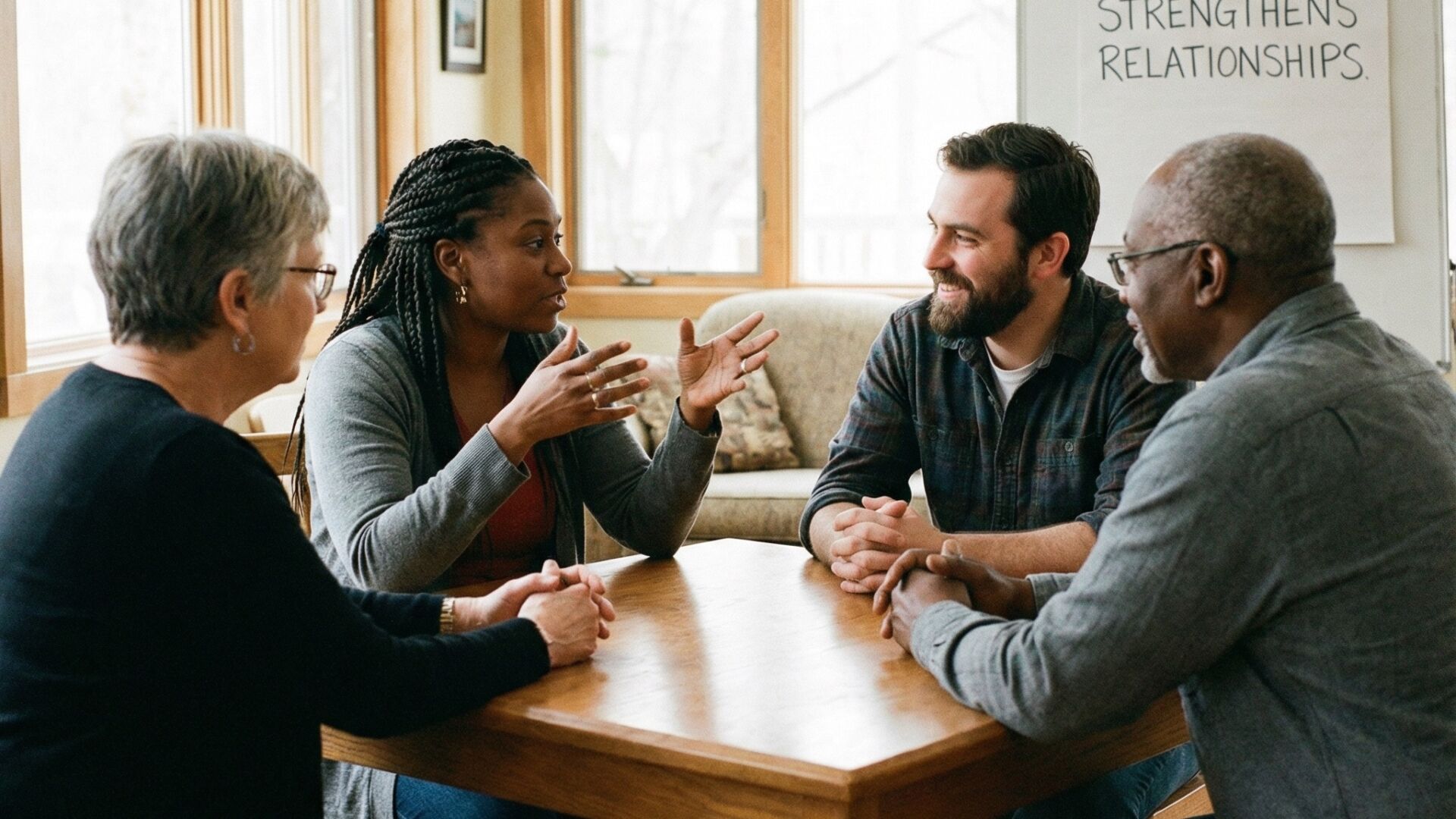

In today's fast-paced world, communication techniques play a crucial role in interpersonal relationships. Particularly for women seeking a balance between their professional and private spheres, mastering nonviolent communication is essential. At lifescout.com, we offer you current articles and in-depth analyses about the psychology of human relationships that will help you create harmonious connections. A nonviolent dialogue allows conflicts to be resolved peacefully and misunderstandings to be clarified. It is not only about talking but also about listening and understanding. You will learn how to act with empathy and respect in your conversations to build healthy and happy relationships.
The art of nonviolent communication, shaped by Marshall Rosenberg, emphasizes how important it is to express needs and feelings openly without making accusations. Instead of saying, 'You never listen to me', you could say, 'I feel ignored when you are on your phone during our conversation.' This shift in wording encourages a context for deeper conversations and shows the other person that you acknowledge your needs without attacking them. Nonviolent communication promotes not only understanding but also a deeper emotional connection.


Principles of Nonviolent Communication
A central principle of nonviolent communication is active listening. When you truly listen to the other person, you not only feel heard but also understood. This includes summarizing what has been said and asking questions to ensure that you have understood the other person correctly. This technique significantly reduces misunderstandings and creates an atmosphere of trust. Ask yourself, 'How can I empathically address the needs of the other person?' By doing so, you enable both sides to feel safe and share their thoughts openly.
Another important aspect is recognizing and addressing your own feelings. Often, we react to conflicts with defensive behaviors that only worsen the situation. In many relationships, conflicts remain unspoken until they erupt like a volcano. By actively engaging with your own emotions and sharing them with your partner, you prevent such an explosion. Instead of bottling up your anger, you can share, 'I feel frustrated when we never have time together.' This opens the door for constructive conversations.
Finally, it is necessary to set clear boundaries and communicate them. In a relationship, it is crucial that both partners know what the other needs and what is not acceptable. For example, you can say, 'I appreciate it when you give me time after work when I come home after a long day.' Such clear communicative boundaries help minimize stressful situations and ensure that both partners feel valued.
Implementation in Practice
To successfully apply nonviolent communication in everyday life, it is helpful to engage in regular reflections. Set goals to incorporate specific communication techniques into your daily routine. For example, you can aim to express a feeling in every conversation and actively listen to the other person. Keep track of this initiative in a journal; it will help you see progress and remain a valuable reflection tool. This type of active reflection not only improves communication but also fosters personal growth and emotional intelligence.
Another practical tip is to practice in safe environments. Choose friends or family members with whom you can conduct nonviolent communication exercises. Role-playing can help you experiment in various scenarios without real conflicts arising. This practice also boosts your confidence in handling difficult conversations and better prepares you for actual conflict situations.
Conclusion and Recommendations
In summary, nonviolent communication is a powerful tool for resolving conflicts in relationships and building deeper connections. Moreover, it fosters a climate of respect and empathy. By regularly applying these techniques, you invest in the quality of your relationships and take the first step towards a more harmonious life. Remember, every relationship requires work, and through nonviolent dialogue, you can lay the groundwork for a fulfilling togetherness.
Utilize the techniques of nonviolent communication to improve your dialogue and strengthen your relationships. Start today by reflecting on yourself and your communication style and actively practice listening. This will be essential to fostering understanding and resolving conflicts with empathy and respect. Take the first step, and observe how your interpersonal relationships can change and grow.