
How Generational Differences Shape Relationships
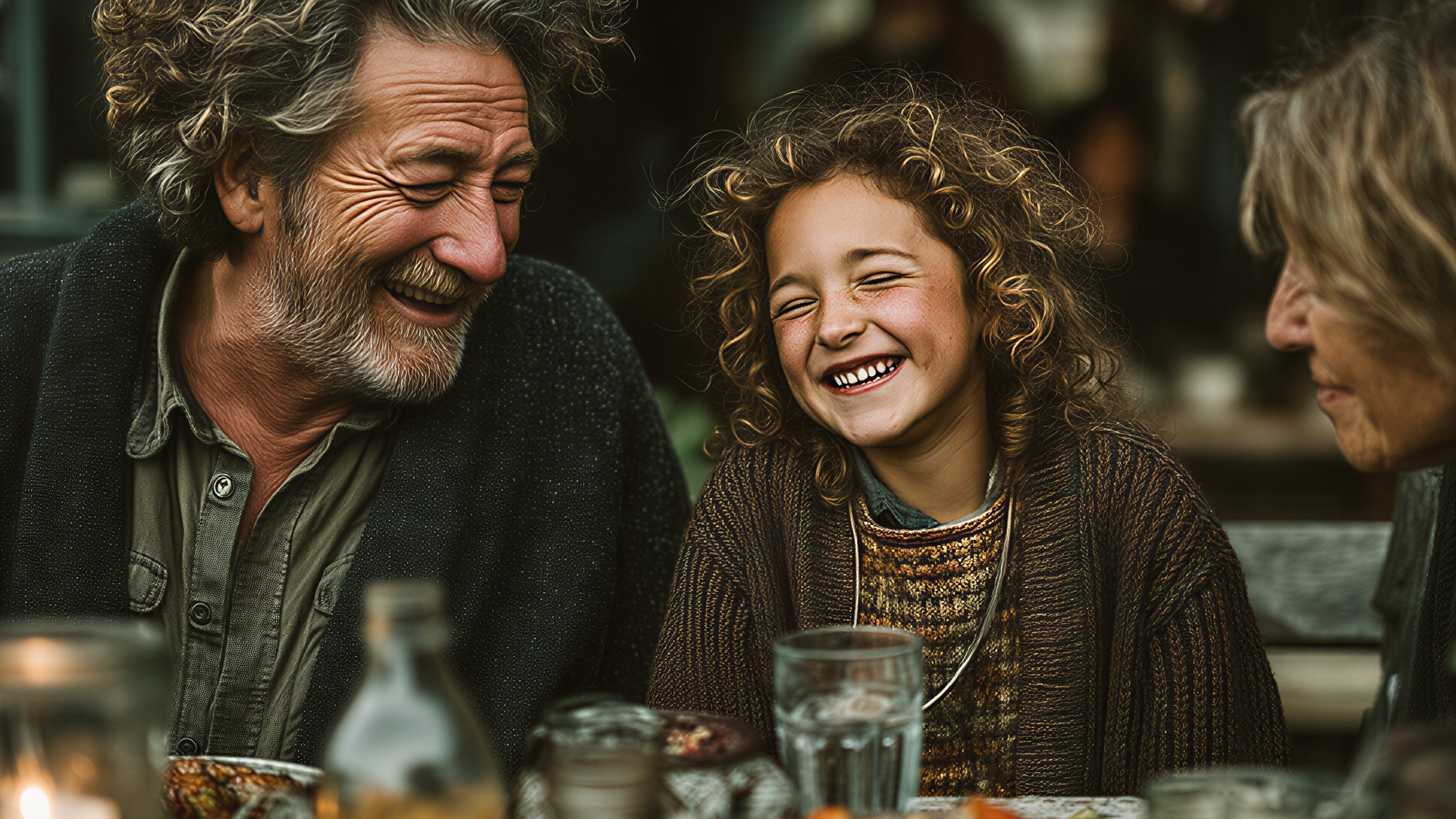

Love is one of the most complex emotions that people can experience. It is perceived and experienced differently at various life stages and in different social contexts. In a time when societal values and norms are changing rapidly, romantic relationships, especially between different generations, face unique challenges. This topic is particularly relevant for the readers of Georgia.de, an online magazine focused on the key aspects of modern women's lives. We offer informative articles about family, love, and building strong relationships. In this article, we highlight the impact of generational differences on romantic relationships and show how different life perspectives shape and influence love. You will gain valuable insights that can help you understand and strengthen your own relationships.
Generational differences often emerge when it comes to views on relationships and expectations of a partner. While older generations often emphasize tradition and respect for established values, younger generations tend to be more open to change. For example, one might mention a woman in her 40s who seeks a partner who appreciates traditional gender roles, whereas a young woman in her 20s places more value on equality and social freedom. These different perspectives can lead to misunderstandings when partners from different generations clash. It is important that communication and understanding play a central role in bridging these differences. It is helpful to consciously engage with one's own values and better understand those of the partner.


Values and Beliefs
Values and beliefs are often a reflection of the time in which a generation has grown up. Older generations may have a stronger focus on long-term commitments and familial obligations, while younger people often place more value on self-realization and individual freedom. These differences can manifest in the way relationships are conducted. An older couple might, for example, try to uphold traditional rituals like marriage vows, while a younger couple might consider alternative relationship models or choose to engage in a casual relationship. Such divergences require a respectful discussion to avoid misunderstandings and find common ground.
Another example is the expectations for emotional support. Older generations often have a different notion of what emotional intimacy means compared to younger couples. While older couples may value stability and reliability, a younger couple might emphasize openness, constant communication, and support in personal development processes. These different needs need not lead to conflicts, as long as both partners are willing to engage with each other and respect individual needs. Here, compromises can help strengthen the relationship.
Last but not least, technology plays a significant role in how relationships are maintained. Younger generations grow up in a digital world where social media and online dating platforms are omnipresent. This can significantly influence how they enter and nurture relationships. Conversely, older individuals might prefer personal contact and traditional means of getting to know each other. It is important to recognize these differences and consider each other's preferences to enable harmonious coexistence.
The Role of Communication
Communication is key to bridging the differences between generations. Open discussions about expectations, values, and experiences can clarify misunderstandings and help develop a deeper connection. Active listening and responding to the feelings and viewpoints of the partner are essential. You should also consciously take time to reflect on your own needs and communicate them clearly. This creates a shared understanding that contributes to the stability of the relationship.
A good example of this is that couples from different generations engage in regular conversations about what is important to them in the relationship. By doing so, they can define common goals and ensure that both partners feel valued and heard. This fosters harmonious coexistence, even when life perspectives and priorities differ.
Conclusion
In summary, generational differences in relationships offer both challenges and opportunities. It is important to be aware of one's own values and reflect on them in conversations about the relationship. By openly discussing one's own experiences and actively listening to the partner, differences can be bridged. This creates a deeper connection based on understanding and respect.
Ultimately, relationships between different generations can be enriching. They provide the opportunity to learn from one another and gain new perspectives. It is the art of appreciating and utilizing the differences to grow together. In this way, love becomes a dynamic force that connects not only individuals but also entire generations.