
How Shared Parenting Strengthens Relationships
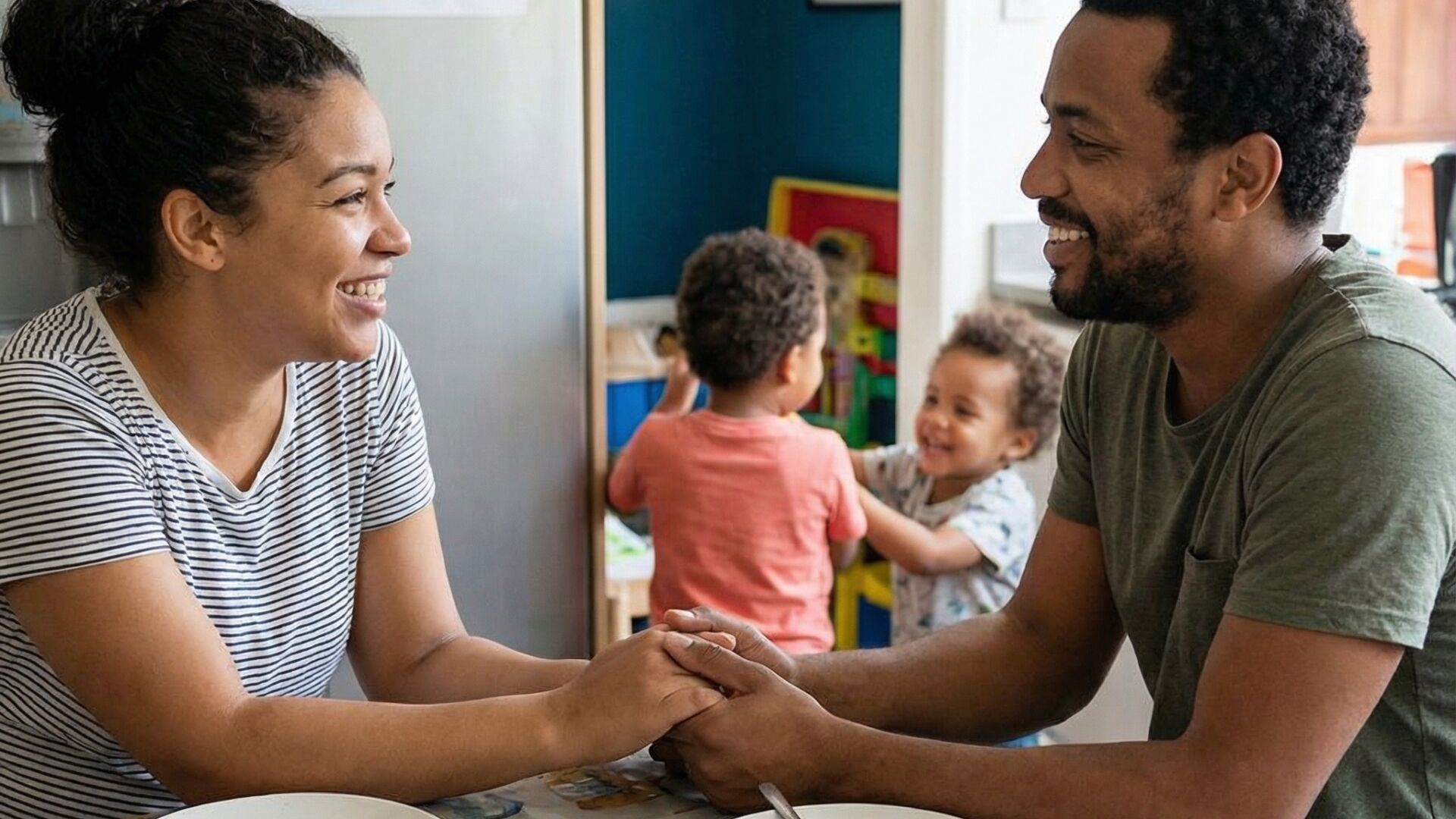

Respect is the foundation of any healthy relationship, especially when it comes to raising children together. In a time when parents act not only as educators but also as role models, the importance of mutual respect becomes increasingly clear. On charme.de, an online magazine for women that deals with love, relationships, and self-discovery, key aspects are highlighted that can help build harmonious relationships. Through a unified parenting strategy based on respect, couples can improve not only their relationship with each other but also their relationship with their children. In this article, you will learn how integrating respect into parenting positively impacts family life and how you can create a strong foundation for your children's development through shared values.
Respect in parenting begins with parents valuing each other. A parental couple that is able to meet on equal footing creates an atmosphere of trust and openness. Children perceive these interactions and learn through imitation. When you and your partner regularly speak to each other respectfully, your children will also adopt this way of communicating. This respectful attitude not only promotes children's emotional intelligence but also strengthens the bond within the family. It is important to understand that respect is not only visible in voice or word choice, but also in how one engages with each other and resolves conflicts together.
Another aspect that promotes respect in parenting is the conceptualization of a cohesive parenting strategy. When parents are on the same page regarding rules, boundaries, and parenting approaches, it creates stability for the children. This means that you and your partner need to make decisions together, even when there are difficult topics to discuss. An open discussion about different viewpoints and the search for common ground can lead to a respectful tone that is also palpable in parenting. This way, children learn to appreciate different perspectives and understand how important it is to pull together as a team.


The Role of Communication
Good communication is the key to embedding respect in parenting. It is important to speak regularly with each other and address issues openly. When you and your partner are able to listen to each other and express your feelings and thoughts clearly, misunderstandings are reduced. Children benefit from such an atmosphere as they witness how conflicts can be resolved constructively. For example, an honest conversation about the challenges in parenting can lead both partners to feel supported and collaboratively develop solutions. This form of communication fosters not only respect but also understanding for one another.
It is also helpful to hold regular family meetings where the opinions and wishes of all family members are heard. This shows children that their voices matter and that it is important to treat each other with respect. By involving your children in decisions that affect them, you teach them to take responsibility while also appreciating respect. Children feel taken seriously, which not only boosts their self-confidence but also deepens family bonds.
Finally, respect should also be demonstrated through role models. Children learn through imitation, so it is crucial that parents show the respect they have for each other in their interactions with their children as well. For example, a friendly and respectful tone in parenting is indispensable. The words you choose and the tone you use convey to children how important respect is. When they see from you that respectful behavior plays a role in all relationships, they will carry these values into their own lives.
Creating Shared Values
To further strengthen respect in parenting, it is important to develop shared values. Parents should clarify which values they want to impart to their children. These values form the foundation upon which respectful parenting rests. Shared values not only help define the parenting direction but also foster a sense of belonging within the family. For example, if you and your partner uphold the value of honesty, this will be evident in your parenting through regular discussions about the importance of truth and transparency.
Establishing shared values can also be an excellent opportunity to strengthen your own relationship. By discussing with your partner what is important to you and what goals you want to pursue together regarding parenting, you deepen your mutual understanding. Such discussions also create room for different perspectives, leading to more respect and empathy for one another. It becomes clearer that each partner has unique views that are relevant for shared decision-making.
Conclusion and Outlook
In summary, respect in parenting plays a central role in fostering harmonious and strong family relationships. Through a unified parenting strategy based on mutual respect, couples can create a positive environment for their children. A respectful approach to one another not only serves as a model for the children but also forms the basis for trustworthy and open communication within the family.
When you integrate the principles of respect and shared values into parenting, you not only strengthen your relationship with your partner but also create a loving and supportive atmosphere for your children. It is up to you to actively live these values, thereby laying the foundation for the positive development of your family. Remember that respect is shown in every small step you take together with your partner and your children.