
How to process loss in relationships
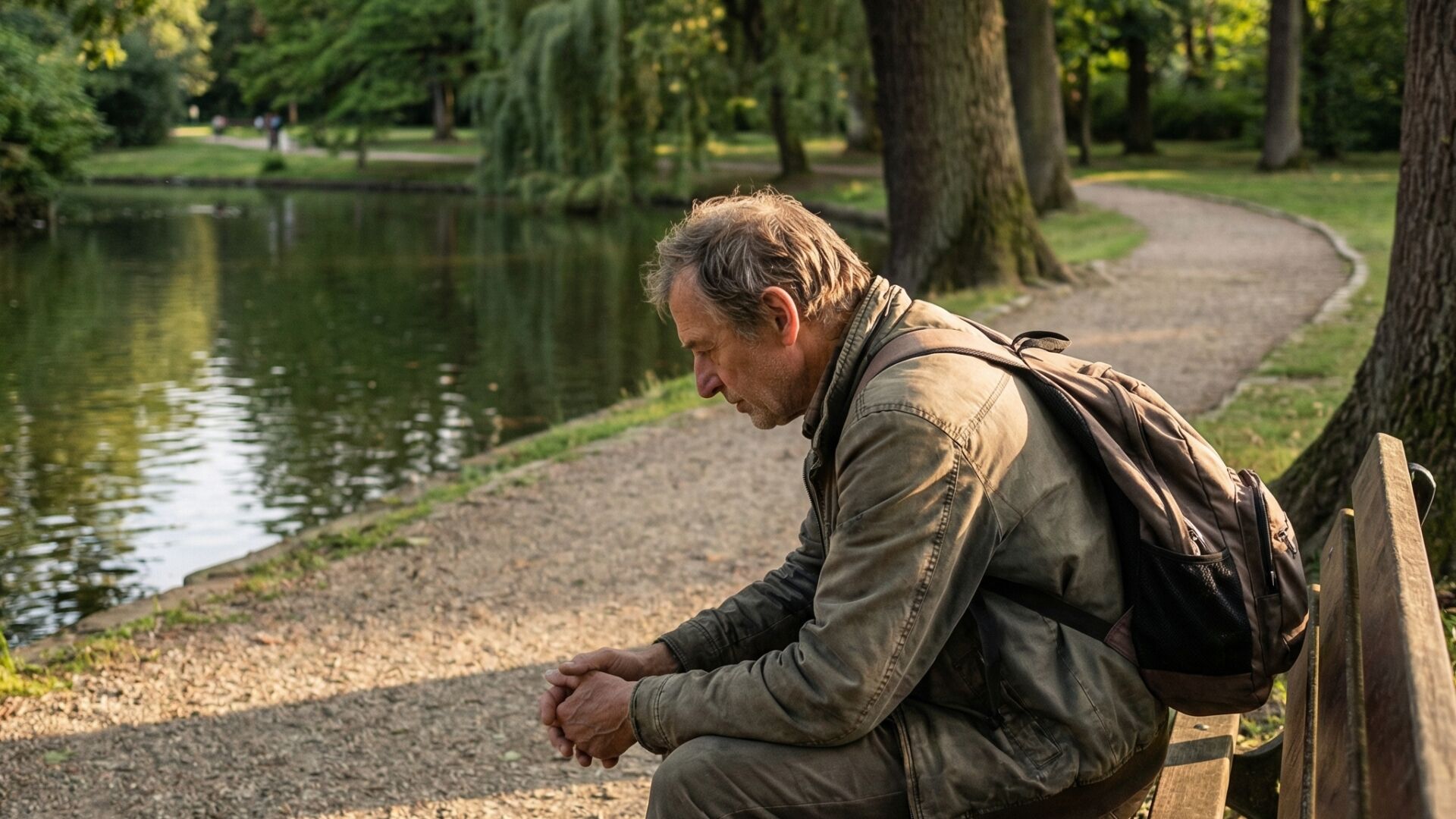

The loss of a loved one is one of the most challenging experiences in life. In relationships, this loss can leave deep marks and significantly influence the dynamics between partners, friends, or family members. It is important to understand that grief is an individual process, and each person reacts differently to it. At natinka.de, we offer you the support you need to cope with these difficult times. Here you will find not only practical tips but also an empathetic philosophy that can help you process the loss and strengthen your relationships again. Let's explore together how you can navigate through this difficult time without risking the important bonds in your life.
One of the first strategies in dealing with loss is to allow your feelings. Often, we confront the need to be strong and suppress our grief. Yet that can be harmful in the long run. Allow yourself to grieve, whether through crying, writing, or talking with friends. It is important to create space for your emotions to process them. When you acknowledge your pain, you take the first step towards healing. You will see that this process not only improves your own relationship with yourself but also strengthens the bonds with those around you.
Additionally, it is helpful to keep communication open. Talk to the people around you about your feelings and thoughts. Often, partners or friends have had similar experiences and can show understanding. Sharing your grief promotes not only a sense of connection but also creates a supportive environment. Make sure the people in your life know what you are going through. This way, you can avoid misunderstandings and emotional distance that often arise in times of loss.


Shared rituals and remembrance
Establishing rituals can also help process the loss. Shared memorial rituals, such as lighting a candle or visiting a special place, can promote both grief and gratitude for shared experiences. Such memorial approaches not only create a framework for your grief but also allow you to appreciate the positive aspects of the relationship. This way, you can maintain a sense of continuity, which is often felt as lost in the phase after a loss.
Moreover, creating a memory journal or sharing memories with others can represent important stages in the grieving process. This approach allows you to recall the beautiful moments while also making the pain visible. Additionally, it is a wonderful way to keep the connection to the deceased alive. For memory is an essential part of grief management and helps you see yourself and your relationship with the deceased in a new light.
Seeking professional support
Sometimes, it can be a real relief to seek professional help. A therapist can help you sort your feelings and develop new coping strategies. Grief counseling provides you with a safe space to express your worries and fears without judgment. It is important to understand that you are not alone in this. Many people experience similar issues in their relationships, especially after a loss, and there are professionals who can help with the processing.
If you are considering professional support, don't hesitate to reach out to your surroundings or look for online platforms. Often, friends or acquaintances have recommendations that you can consider. The willingness to seek help is a sign of strength and shows that you want to actively work on your emotional health. This can also strengthen your relationships with others by demonstrating that it is okay to seek support and be vulnerable.
In conclusion, it is important to be patient with yourself. Grief is not a linear process, and there will be days when you struggle more with the loss than on others. Allow yourself to seek support in this process, whether through rituals, conversations, or professional help. Remember that hugs, sharing memories, and learning to confront your feelings are part of the journey. This path can be painful but also healing, ultimately allowing you to grow in your relationships and connect more deeply.
Key insights at a glance
Dealing with loss in relationships is a complex and very individual experience. The first step is to allow your emotions. Grief deserves space and should be accepted. Open communication about your feelings makes it easier for those around you to better support you and prevent misunderstandings.
Finally, if it is hard to cope with it alone, do not hesitate to seek professional help. This can not only help you process your grief but also strengthen your relationships and create a healthy foundation for your emotional needs. Be gentle with yourself and open to the possibility of growing through this challenge.
Remember that it is okay to seek help and that you are not alone. Your journey through grief can also be a journey to greater understanding of yourself and your relationships. Let's work together to find light in the darkness while also strengthening the bonds with the people around you.