
Strategies for personal freedom in relationships


In relationships, it often involves a delicate balance between personal freedom and emotional attachment. How do you find this balance? At Georgia.de, we support women in leading a fulfilling life that combines freedom and connection. Here you will find strategies to help you maintain your independence while nurturing intimate, loving relationships. This journey of self-discovery and inner reflection is essential in creating harmonious connections where both freedom and closeness can coexist. Whether you are exploring a new romantic interest or striving to strengthen your existing relationship, the art of combining personal freedom and emotional attachment can have transformative effects on your life. We will shed light on the challenges that come with it and provide you with valuable tips to maintain your connection with others while staying true to yourself.
To navigate a relationship with extreme personal freedom, it is important to have a clear understanding of what freedom means to you. Often, freedom can lead to misunderstandings when each partner has different expectations. Start with an open conversation about your needs and desires. What does it mean for you to be independent? What does a supportive relationship look like for you? This foundation of trust and communication not only helps avoid misunderstandings but also fosters a deeper emotional connection. One example might be scheduling regular alone time without it being interpreted as a rejection of the partner. By expressing your needs clearly, you create space for mutual understanding that promotes a deeper bond while maintaining your independence.
Another strategy is to set healthy boundaries. Boundaries not only help to preserve your personal freedom, but they also protect your emotional health. Consider what times or activities you need for yourself and communicate these clearly. For example, you might decide to introduce a 'me-time' evening once a week, where you focus on your interests, like reading a book or engaging in a hobby. It is important that your partner respects this space. Pride or jealousy may come into play; however, open conversation helps to minimize these feelings. This way, you experience a combination of closeness and independence that allows both partners to maintain their individuality while building a strong connection.

Emotional Intimacy and Independence
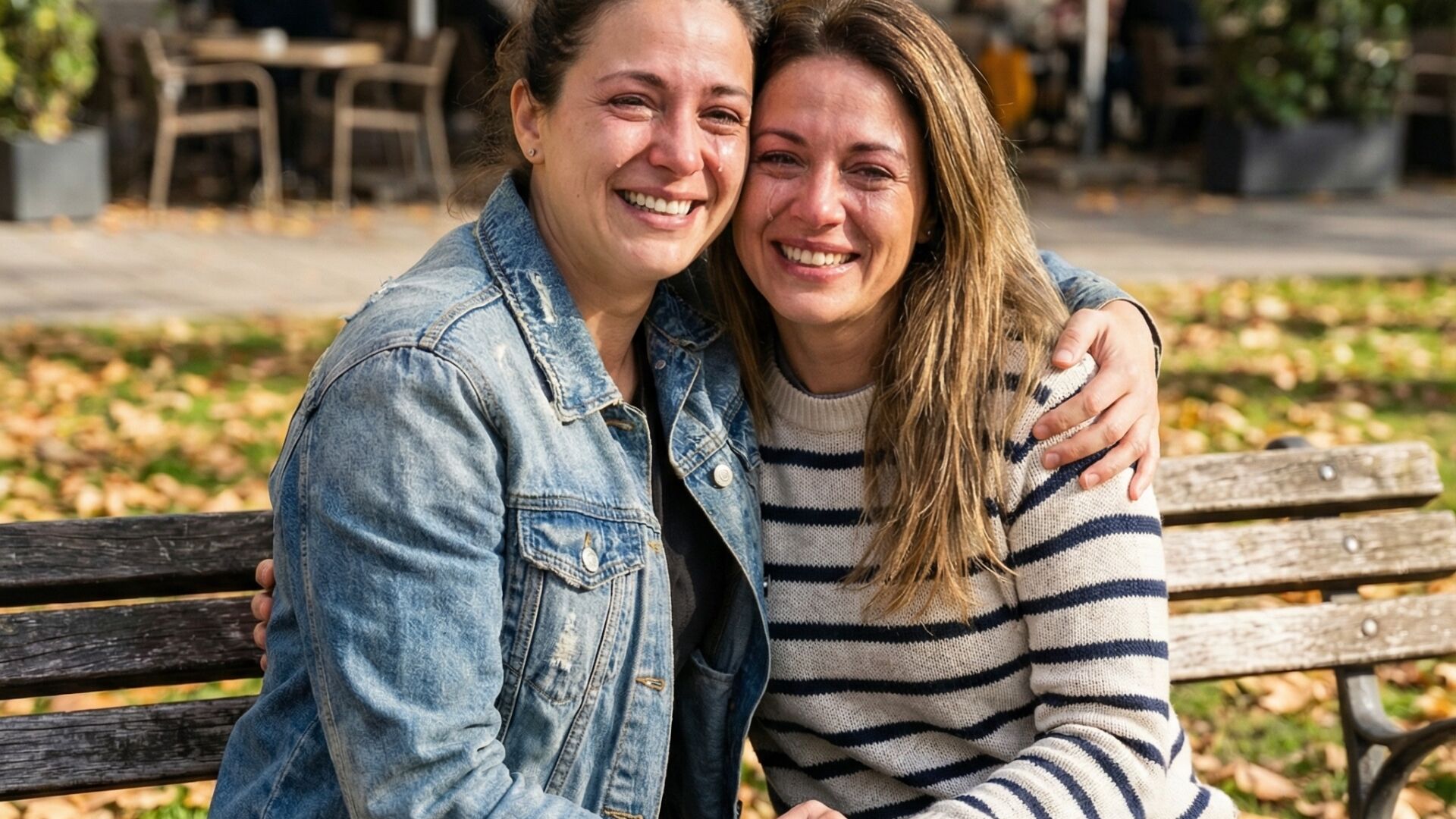
Emotional intimacy is another key to maintaining the balance between freedom and attachment. It is not only important to have time for each other, but also quality time where you truly connect. Practice regular check-ins to share your feelings and thoughts. One example might be planning a weekly date night during which you not only enjoy a nice evening together but also openly discuss your needs, fears, and dreams. By creating space for these deep conversations, you strengthen your relationship while respecting individual spaces. This allows you to deepen your emotional connection without feeling that your freedom is restricted. It supports a healthy coexistence where both partners feel loved and respected.
Additionally, it is important to remain flexible. Life often brings unexpected changes that can influence your original plans. Prepare to make compromises and be open to new ways your relationship can be shaped. For instance, there may be times when your partner needs more time or support, which temporarily affects your independence. Here, it is important to meet these changes with understanding rather than resistance. A flexible approach to the relationship allows you to consider both your freedom and your partner's emotional needs. This fosters a harmonious balance that benefits both partners and builds trust.
The Power of Communication
Communication is the heart of every healthy relationship, especially when it comes to balancing freedom and attachment. It is often assumed that the other partner understands their desire for freedom, but this is rarely the case. You must communicate directly. Sit down and share your thoughts on how important it is for you to be both independent and have a strong connection. In this context, it can be helpful to express feelings in 'I' statements, for example: 'I often feel overwhelmed when I don't have time for myself.' This way, your partner is not put on the defensive and can better understand your perspective. Through this open and honest communication, you not only create clarity but also foster an atmosphere where both partners feel safe and accepted.
It can also be helpful to regularly reflect on the relationship. Ask yourself and your partner if you are still on the same path, whether your needs are aligned, and if you are truly achieving the freedom and connection you seek. These regular reflections can help identify smaller issues in a timely manner before they develop into larger conflicts. You may discover that there are certain activities you would like to change together, or that you need to find new ways to create space for individual interests. Through this type of open reflection, you keep your relationship dynamic and develop ways together to maintain the balance between freedom and attachment.
Conclusion and Outlook
In summary, striving for a healthy balance between personal freedom and emotional attachment is an ongoing journey that requires honesty, communication, and understanding. By setting clear boundaries, practicing emotional intimacy, and maintaining open channels of communication, you lay the foundation for a fulfilling and loving relationship. Remember, you are not alone on this path. Many women face similar challenges, and it is completely normal to need adjustments as your relationship evolves. Utilize the resources on Georgia.de to find further advice and support and invest in what matters most: your relationships and your personal growth.
Finally, it is important to remember that you have control over your own independence in the relationship. Allow yourself to pursue your own interests and goals while also caring for your partner's needs and desires. A relationship is not only a space for closeness but also a place where both partners are encouraged to blossom into their unique identities. This can ultimately lead to a more mature, healthier relationship where both freedom and attachment are respected. Consider implementing these strategies in your own life and watch how the dynamics of your relationships change as you stand up for yourself while also offering love and support to others.