
How to prepare for your important meeting
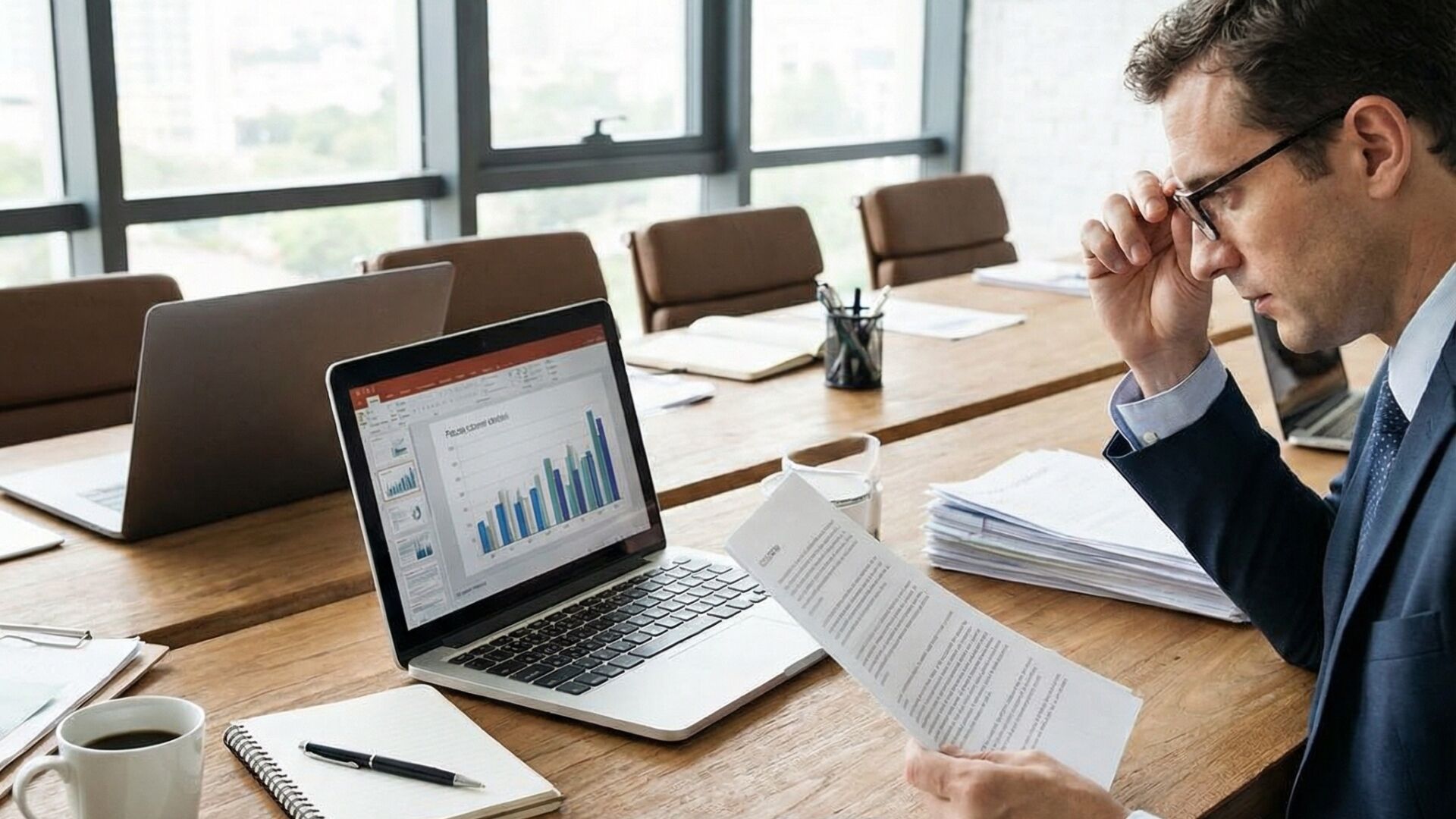

An important meeting can be crucial for your professional success. Whether it is a job interview, a presentation, or a critical negotiation, the right preparation is key to how you feel and perform. At Natinka.de, we place great importance on providing women with useful tips and inspiration to achieve their best performance in everyday life. In this article, we show you how to optimally prepare for an important meeting so you can present yourself confidently and assuredly.
The first and most important phase of preparation is gathering information. You should obtain all necessary information about the participants, the agenda, and the topic of the meeting. Ask yourself: Who will attend? What expectations might others have? By analyzing the meeting in advance, you will be better prepared to respond to questions or criticism. This may also involve studying current projects or topics relevant to the participants. Use all available resources such as internal reports, presentations, or even the company website to get a complete picture.


The right mental attitude
Your mental attitude plays a crucial role in the success of a meeting. Take the time to approach it positively. Visualize how the meeting goes successfully and how you achieve your goals. You could also use techniques such as meditation or breathing exercises to calm your nerves. A clear head will help you present yourself focused and confidently. Remember that mistakes can happen, and view them as an opportunity to learn. This attitude towards yourself will help you to radiate authenticity.
Additionally, it's important to deal with potential weaknesses or nervousness. Prepare for possible questions or challenges by thinking about your responses. Perhaps there are points you're uncertain about. Practice your answers in advance to gain more confidence. A role play with a friend or colleague can be helpful to test and improve your reactions.
A good way to promote your mental strength is to practice positive affirmations. So formulate some motivating sentences that you repeatedly tell yourself before the meeting. For example: 'I am competent and ready to share my ideas' or 'I can tackle challenges.' The goal is to dispel your negative thoughts and achieve a state of self-confidence.
Practical preparation
Another important aspect is practical preparation. This includes ensuring you have the appropriate materials and documents ready. Make sure all documents, notes, and any necessary presentations are well organized and easily accessible. Also consider what technical aids you would like to use. If you are giving a presentation, practice it several times in advance to speak smoothly and confidently. Technical mishaps can be frustrating, so test all devices you want to use well in advance of the meeting.
Good clothing also influences your self-confidence. Choose an outfit in which you feel comfortable but also looks professional. Ensure it fits your environment. You don't want to appear overdressed, but also not too casual. A well-groomed appearance shows respect for the meeting and the participants.
Punctuality should also not be neglected. Allow enough time to arrive on time, and account for any potential delays on the way. This also gives you the opportunity to briefly gather yourself and arrive in the environment before the meeting. Late arrivals can leave a bad first impression that is difficult to make up for later.
The meeting itself
Once in the meeting, it is important to listen attentively. Pay attention to what others are saying and do not interrupt them while they speak. If you want to express yourself, wait for an appropriate moment to share your point of view. Note important points and questions during the meeting that you would like to raise later. Active listening and steering the direction of the conversation is crucial to solidifying your impression.
Use body language effectively. An open posture, eye contact, and a smile can help win sympathy from your conversation partners. Show engagement by nodding or contributing to the discussion. Your non-verbal communication can reveal a lot about your attitude and often appears more convincing than words.
After the meeting, summarize your thoughts and jot down your impressions. This helps strengthen your reflection and identify possible points for the future. Even if the meeting went well, there is always room for improvement. Consider what worked well and what you would like to do differently next time to continue your development.