
Healing in relationships after loss
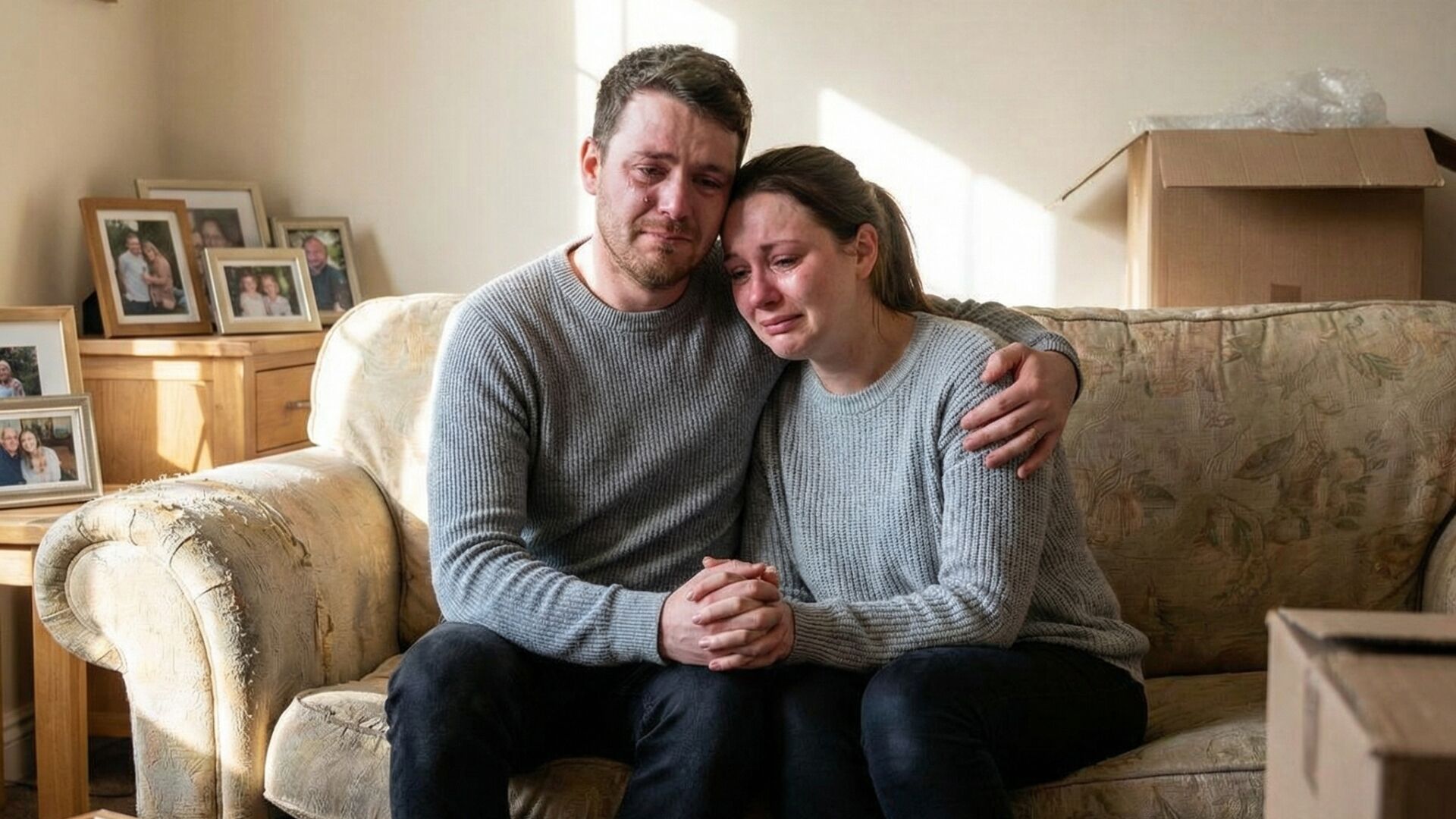

Dealing with grief in relationships can be challenging and painful. When you and your partner have experienced a loss, whether through the death of a loved one or a serious personal crisis, the emotions may feel overwhelming. At Charme.de, we support you in navigating this process together. We believe that true strength and emotional intelligence go hand in hand to not only endure relationships but to enrich them through such difficult times. In this article, we share helpful strategies for healing together and show how to build connection and understanding as you navigate the grieving process. It is important to make space for grief while not losing the bond with each other. With these insights, you can strengthen your connection with your partner and create a loving and supportive environment.
A first step in coping with grief in the relationship is recognizing and accepting your own feelings. Often, we tend to hide or suppress grief out of fear of burdening our partner with our pain. However, it is important to talk about what you are feeling. Share with your partner how you are doing – even if it is painful. An example might be explaining why you feel sad on one day more than on others. Openness creates trust. Do not withhold emotions; learn to cope with grief together. It can also be helpful to create rituals to support this process, such as lighting a candle together or sharing personal memories. The exchange in these moments can create closeness and reduce the feeling of isolation.


Promote open communication
Communication is one of the cornerstones of any relationship, especially during times of grief. While you may feel the urge to withdraw emotionally, it is crucial that you actively seek ways to keep the conversation going. Ask your partner about their feelings and listen actively. Sometimes, it may be useful to use phrases like 'I feel so...' or 'I remember...'. This opens up dialogue and helps overcome touchiness. If your partner also struggles to express their feelings, it may be helpful to create an external support framework, such as participating in grief groups or counseling. Professional help can sometimes provide the necessary space for difficult conversations.
Talking about grief together not only creates understanding but also offers the opportunity to process the loss. It is important to show each other that it is okay to feel pain. Consider whether it is helpful to share collective memories of the deceased or to commemorate them. These shared experiences can create new pathways of communication. Joint rituals that remind you of the loss can help transform grief into something positive that connects rather than separates. Remember that each grief has its own time; be patient in the healing process.
Find small ways to show support to your partner. This can be as simple as a hug when they feel sad or a small surprise on a difficult day. Show understanding for the emotional fluctuations that may occur. Sometimes, it is not immediately necessary to discuss the bigger picture; small gestures can often have a much greater impact than big words. Spend time on activities that bring joy to create brief moments of happiness and distraction. Taking walks together or watching a movie that allows for laughter can provide a glimpse of light in dark times and help strengthen your connection.
Set and accept boundaries
In a relationship where grief plays a role, it is important to set and respect personal boundaries. Everyone copes with grief differently and has their own pace and way of processing feelings. It is essential that you and your partner give each other the necessary space to grieve individually, without feeling pressured to be 'normal' again immediately. It is not only okay to need time for yourself, but it is imperative. It can also be helpful to communicate clearly when you need a break and vice versa. This way, neither overwhelm nor misunderstanding arises.
If you notice that grief is heavily burdening your relationship, it may be advisable to consider professional help. Therapists or counseling centers can often provide valuable tools and perspectives to support the healing process. These professionals have experience with grief and can help you and your partner find ways to strengthen the connection. It is perfectly normal to seek help, and it can be a sign of strength to take that step.
Finding the goal together
Healing together in a relationship after a loss requires much patience, understanding, and possibly professional support. The key is to always maintain communication and be transparent with each other. Both of you should accept your grief and try to show understanding for one another. It is not a sign of weakness to seek support or allow your feelings: on the contrary, it is an active step to give your relationship a deep emotional foundation and hold onto the bond you have. Remember that grief and love are closely intertwined; often, the bond is only strengthened by the pain.
No matter how challenging the situation may be, do not forget that time also helps to heal. With patience, love, and support, you can overcome grief together and discover that life, despite the losses, can be full of joy. Your common goal is not only to grieve but also to find joy and beauty in life again – together as a couple. Trust in the process and in each other, even when the path seems rocky. Your relationship can emerge stronger from this experience.