
Energy efficiency at home: Tips for every day

Energy efficiency is a central topic that not only affects the environment and climate but also directly influences your household costs. In today's world, where energy prices are continuously rising, it is more important than ever to make sustainable and efficient decisions in your daily life. At style-week.de, we want to show you how you can visibly and physically save energy. With practical tips and effective strategies, we help you design your household in a way that preserves the environment while easing your wallet. Every small step contributes to leading a responsible and fulfilling life. Let us find out together how you can save energy every day through targeted actions.
Before you begin with the practical tips, it is helpful to get an overview of your energy consumption. Many households are unaware of where the biggest cost factors lie. One way to clarify this is to create an energy data tool. Note the consumption values of your devices, look at your electricity bills, and identify energy guzzlers. In many cases, you can make simple changes, such as turning off devices in standby mode or using power strips with switches. These are small steps that can have a big impact on your energy costs.


Efficient use of devices
An important aspect of energy efficiency is the proper use and selection of your household appliances. When making new investments, pay attention to the energy efficiency class. Appliances in classes A++ or A+++ might be slightly more expensive to purchase, but they quickly pay off through lower electricity costs. Additionally, the correct usage is crucial: for example, washing machines and dishwashers should always be operated fully loaded to utilize energy optimally. Choosing energy-saving programs can also lead to significant savings.
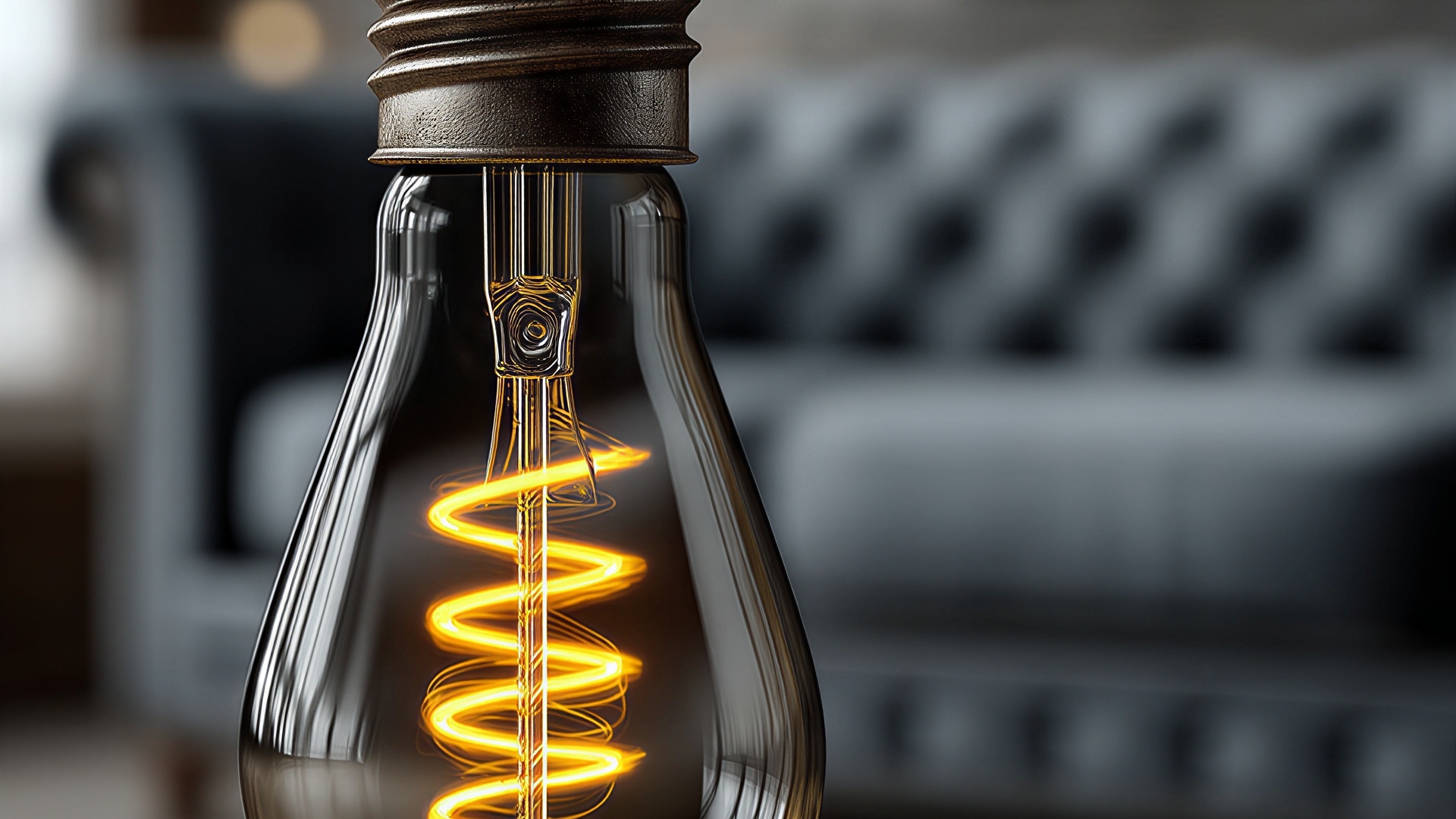
Also, take advantage of the opportunity to operate devices specifically during cheaper tariff times. Many energy providers offer tariffs where electricity is cheaper at certain times. If you wait until after 8 PM and then start your washing machine, you can save significantly. Another way to increase efficiency is to use energy-efficient light bulbs, which not only save electricity but also have a longer lifespan.
Don't forget to question the assumption of your energy sources as well. For example, there are energy-efficient options for hot water preparation, such as using solar heat. The installation of a solar system can not only improve the energy efficiency of your home in the long term but also reduce operating costs. In summary, a thorough consideration of device usage combined with technical measures leads to sustainable energy use.
Conscious use of energy
A conscious approach to energy is the key to improving your energy efficiency at home. It often starts with small rituals: turn off the light when you leave a room and try to live as much as possible during daylight. Additionally, using luxury items such as warm blankets or energy-saving heating pads on cold days can reduce the need for heating. Utilize the natural light of the day and install dimmable or sensor-controlled lighting for targeted light use.
Another useful tip is to regularly check the thermostat valves on your radiators and bleed them if necessary. A well-maintained heating system uses energy more efficiently, which not only saves money but also improves well-being in the room. For room temperature, one degree less can save up to six percent of heating costs. Consider where you can consciously save heating costs and create a pleasant room climate.
Conclusion and outlook
In summary, it can be said that energy efficiency at home is achievable for everyone and significant savings can already be achieved through simple tips and tricks. Be conscious of your energy resources and rethink the use of your devices. Small changes, such as using energy-saving appliances and considering drafts in your rooms, lead not only to reduced consumption but also to a better feeling in your home.
Ultimately, it is up to you to make a difference. Use the tips presented to make your daily life more energy-conscious and help create a more sustainable future. Together, we can achieve an energy transition in our households. Live brightly, consciously, and by your own rules – for yourself and for the environment!