
The art of stress management in everyday life

Stress is a constant companion in our daily lives. If you long for peace and serenity, it is important to develop effective strategies for stress management. On lifescout.com, you will find inspiration to live with less stress and more fulfillment. In this article, we will discuss simple but effective techniques that can help you recognize and counteract stress. The goal is to provide you with practical advice that will help you better face the challenges of life.
The first step in stress management is recognizing your own stressors. Often, it is everyday little things or unexpected events that have a great impact on our emotional stability. You might try keeping a stress journal to understand when and why you feel stressed. Note down which situations trouble you and how you react to them. By recognizing patterns, you can learn to cope better with stress. Be aware that it is not only about external circumstances, but also about your inner attitude towards them.
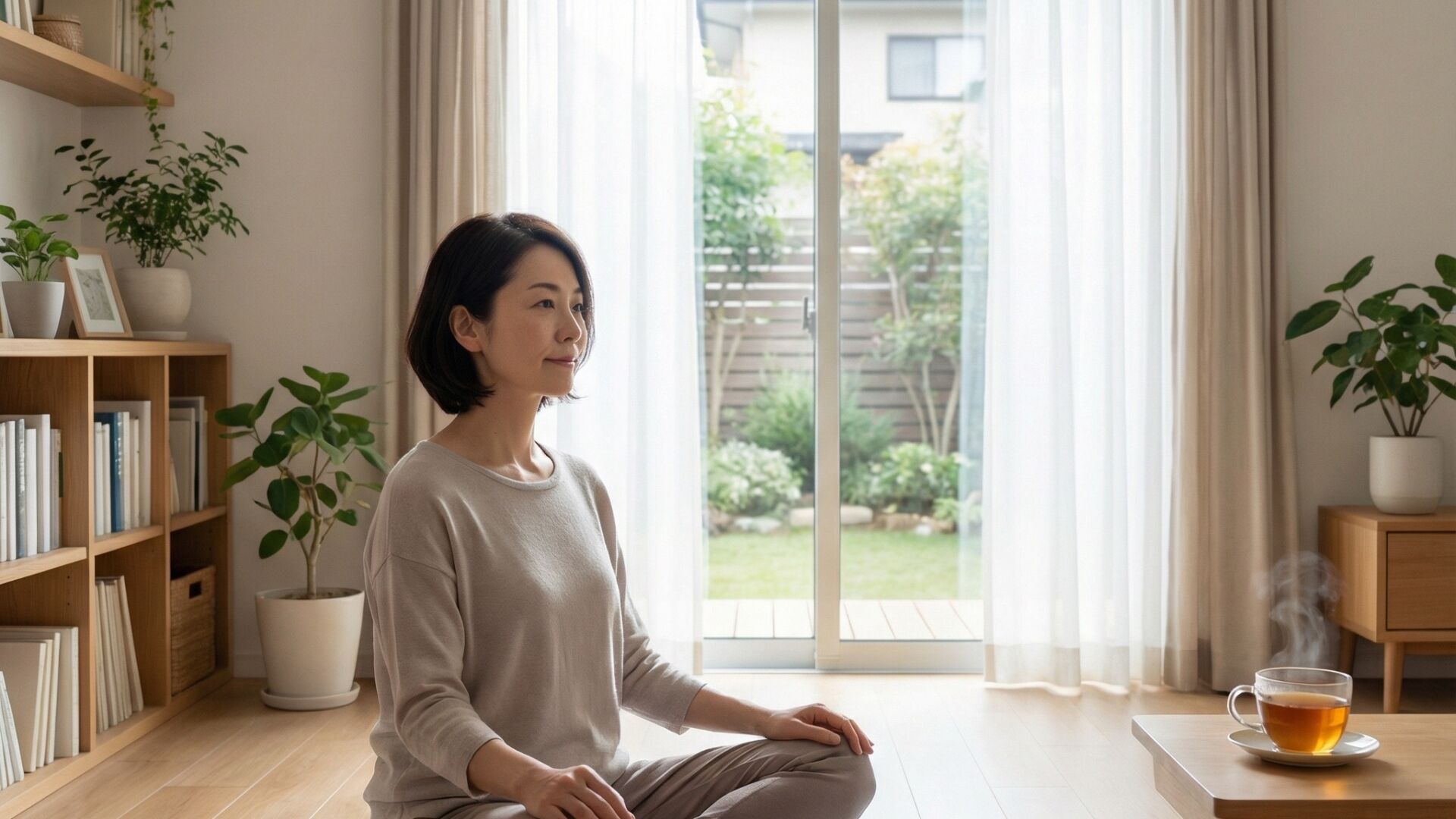
Another proven method is learning relaxation techniques. Methods such as meditation, breathing exercises, or yoga can help calm the mind and bring body and soul into harmony. These practices not only promote physical health but also strengthen mental resilience. You can start with just a few minutes a day and see how your stress level decreases over time. Try different techniques and find out what works best for you.


Establishing healthy habits
In addition to relaxation techniques, it is important to integrate healthy habits into your daily life. A balanced diet, regular exercise, and sufficient sleep are essential components of a stress-free life. Make sure to schedule enough time for physical activities, whether that is a simple walk, going to the gym, or a sport of your choice. Exercise promotes the release of endorphins, which act as natural mood lifters and reduce stress. A healthy lifestyle can also increase your resilience to stress.
Furthermore, you should try to maintain a clear day-night rhythm. Create an evening routine that helps you wind down your day calmly. This could include reading a book, listening to relaxing music, or a short meditation. These activities prepare you for a better sleep. Sufficient sleep is also key to stress management. When you start the day with energy, challenges are often easier to handle.
Setting priorities and drawing boundaries
Another important aspect of stress management is setting priorities. In today's fast-paced world, it can be very easy to become overwhelmed by tasks. Learn to prioritize and focus on what is essential. Use tools such as to-do lists or calendar planning to keep track. By setting clear goals, you can ensure that you invest your time wisely and avoid stress from being overwhelmed.
Moreover, it is important to set clear boundaries. Say no when you feel overwhelmed. This doesn’t mean you are being selfish, but that you are taking care of your own mental health. When you learn to decline sometimes, you create space for the things that are truly important to you. Be sure to take enough breaks to avoid burnout.
In summary, stress management is a process that requires both self-reflection and practical measures. Implementing a healthy lifestyle, relaxation techniques, and setting priorities are ways to cope better with stress. By consciously working on your honest stress management, you create a foundation for a fulfilled and harmonious life. Start today by making small changes to achieve significant impacts on your well-being.