
The Power of Loss for Personal Development
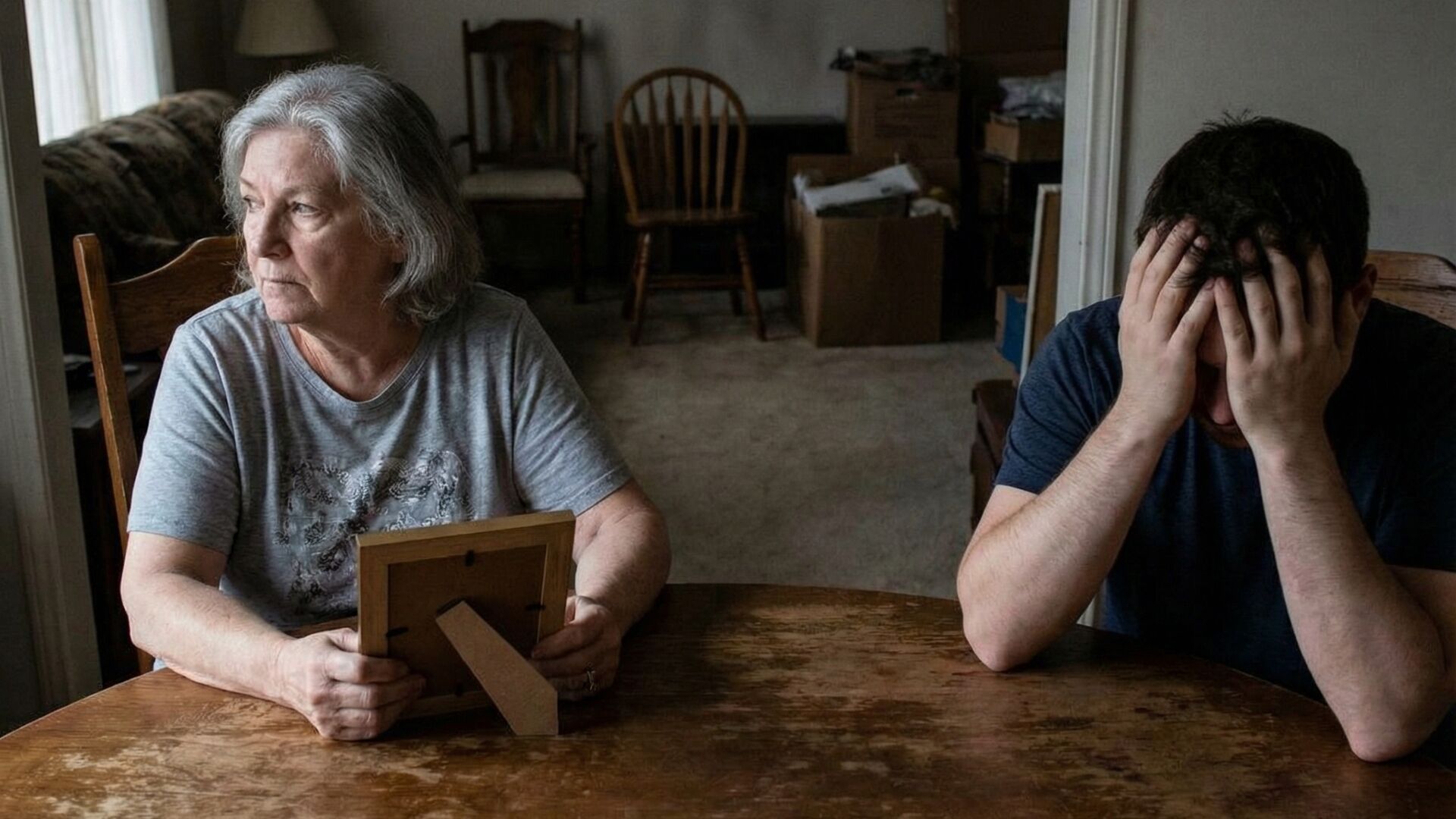

When we talk about grief, many of us think of the loss of loved ones, whether through death, a breakup, or a move. Grief is an intense feeling that often overwhelms us and isolates us at times. Yet many also recognize that these negative emotions are an important part of life, significantly influencing our personal development. At charme.de, a magazine dedicated to love, relationships, and self-discovery, we explore the complex effects of grief and loss. We want to help you better understand these emotions and recognize the potential that lies hidden in difficult times. Discover with us how loss can be not only painful but also an opportunity for personal growth and deeper interpersonal relationships.
Grief has many facets and affects us in different ways. It can make us pause and reflect on our lives and the relationships around us. When we lose someone close to us, we often become aware of the fragility of life. This realization can encourage us to rethink our own relationships. Perhaps you recognize that you want to spend more time with your loved ones or that it is important to be vulnerable and express your feelings openly. Such insights are important not only for you but can also lead to developing more intense and meaningful relationships with others. Thus, grief can act as a catalyst for personal changes that enrich your life.
Some people tend to suppress grief, hoping that it will fade away over time. However, ignoring these feelings can often lead to an emotional backlog. It is important to accept grief and view it as part of the healing process. This does not mean that you have to dwell in grief all the time, but that you give it space to be heard. In this way, we can find new ways to cope with grief: through conversations with friends, keeping a journal, or creative expressions such as painting or music. Such activities help process emotions and embrace your own vulnerability. These practices can help you gain new perspectives from your grief and sustainably transform your relationships.


Reshaping Relationships Through Loss
When we experience a significant loss, our perspective on the people around us often changes. You may find that through grief and pain, you place a new value on the relationships that matter to you. The dialogues you would normally have begin to gain intensity. Friends and family may take on a new role in your life by providing you with essential support as you navigate your grief. Often, we discover that we need to be there more for others or speak more openly about our own feelings. By sharing your vulnerable moments, you create a deep sense of connection and mutual understanding. This kind of authenticity can create a whole new quality in your relationships that can help you grow and develop during grief.
There are many examples of people who have experienced changes in their relationships after a loss. A woman may share that after losing her best friend, she values time with her family more. She begins to plan family dinners more often and puts shared activities at the center of her life. The loss has shown her that seemingly insignificant moments can have central importance. Thus, grief can serve as a catalyst for rethinking your priorities and nurturing the relationships that matter to you more consciously. Through pain, what may have faded into the background in daily life often becomes visible. Grief thus becomes an invitation to engage more consciously and lovingly with the people in your life.
Another aspect is that loss often leads us to bring our inner selves to the forefront. We are forced to think about our own desires and needs. This can mean allowing yourself space for your own grief but also actively working on your own healing. By developing a better understanding of yourself, for example, through self-reflection or therapy, you can relate to others more openly and honestly. This renewal helps deepen relationships and create new connections. You might be amazed at how many people have gone through similar experiences and can help you through their own stories and perspectives. Here a vital lesson emerges: grief can, when we actively embrace it, bring these people together and ultimately create stronger bonds.
Practical Approaches to Processing Grief
If you notice that you are currently experiencing grief and feel that your relationships are suffering, there are various approaches that can help you. First of all, it is important to take the time to grieve. Allow yourself to feel the emotions without judgment. Often, conversations with close friends and family members can help share the pain and benefit from their support. It may also be helpful to seek professional help to navigate through these difficult emotions. Therapists can often provide valuable insights and tools to better cope with grief and support the healing process.
Additionally, keeping a grief journal can be very helpful. By writing down your thoughts and feelings, you can not only process your grief but also recognize patterns and progress in your emotions. The journal can also help you gain a new perspective and highlight the positive aspects of change. As you begin to focus on what you can learn from this grief or how it has changed you, you can transform painful moments into something transformative. These tools not only help you manage the grief process but also promote the possibility of strengthening your interpersonal relationships.
Finally, you should also have the courage to form new connections. Grief can often evoke feelings of isolation, but it is important to consciously seek out people who support you and with whom you can openly discuss your experiences. These can be old friends or even new acquaintances who have gone through similar challenges. Group offerings, whether formal or casual, can provide fantastic opportunities to connect with like-minded individuals who understand your situation. By connecting with others, you become aware that you are not alone and that grief can also be a means of creating community and support.
Summary and Outlook
In summary, it can be said that grief and loss may present many challenges, but they also drive our individual and interpersonal development. By facing grief and accepting it, we open the space for change and growth. The way we view our relationships can fundamentally change when we are ready to deal with our emotions and communicate them openly. Don’t let grief restrict your life; use it as a valuable tool to create deeper connections and redefine your inner values.
If you are going through a phase of grief, I encourage you to pause and reflect on what you can learn from this time. How can you strengthen your relationships and develop your own identity? Remember that grief offers the opportunity for transformations and the possibility to reshape your perspective. The future holds many opportunities for you if you are ready to take the lessons from your grief seriously and actively work on yourself and your relationships. Let us discover together how loss leads to a path that brings more love, understanding, and inner harmony.