
The Power of Empathy in Relationships
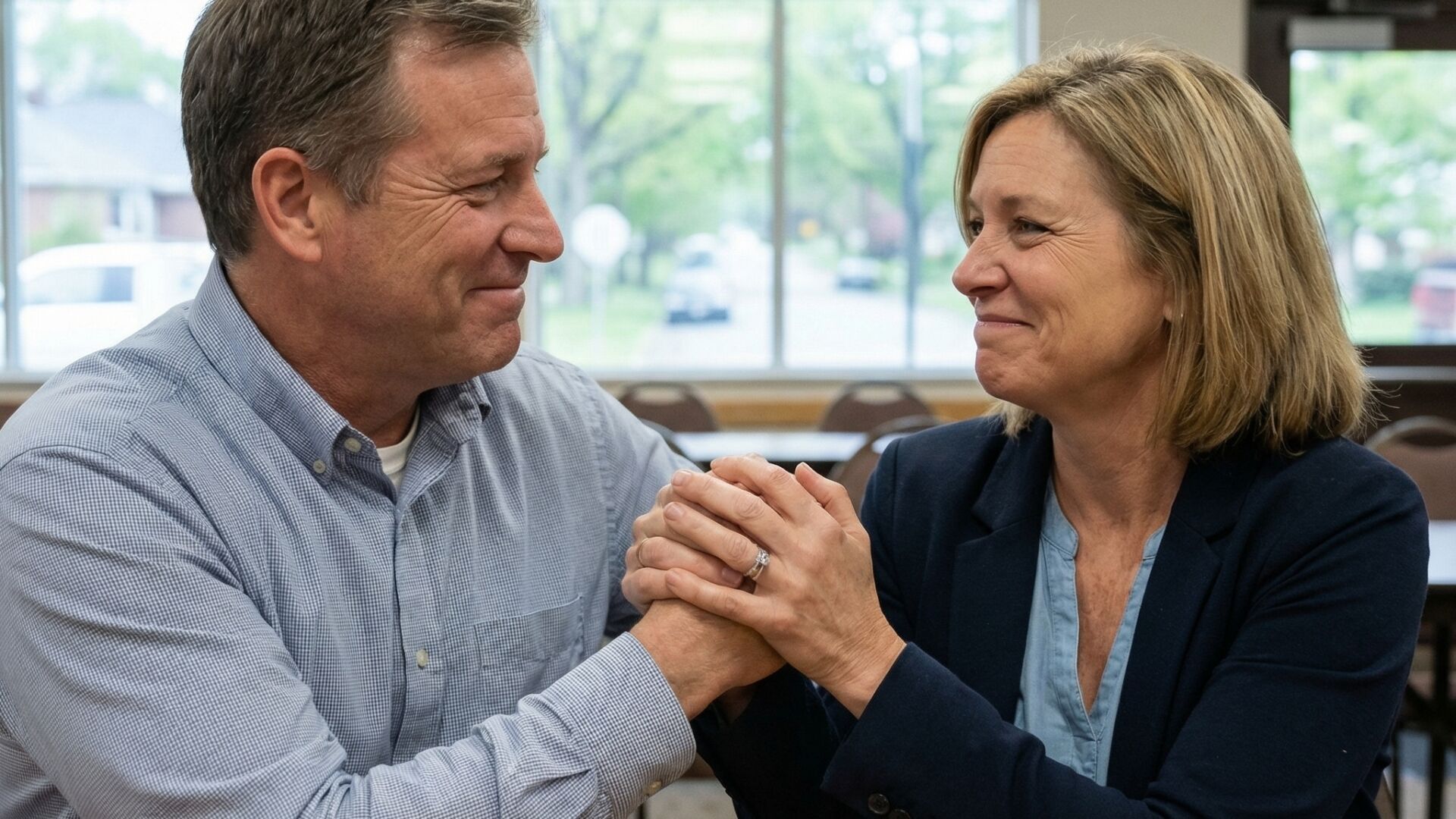

In the complex world of interpersonal relationships, empathy plays a central role, especially when it comes to resolving conflicts. Empathy is the ability to put oneself in the feelings and perspectives of others and understand their experiences. This ability is not only a key to understanding but also to creating harmonious relationships. At natinka.de, we believe that true well-being begins with a loving relationship with oneself. Our philosophy places mindfulness at the center of life and shows how an empathetic attitude leads to greater understanding and inner peace. If you actively work to integrate empathy into your life, you will not only improve your relationships but also strengthen your own emotional well-being. In this article, we will explore how compassion and true understanding can lead to conflict resolution and how these qualities ultimately foster harmonious connections.
Empathy often begins with the willingness to listen. In conflict situations, many people tend to overly emphasize their own viewpoint, which can lead to misunderstandings and tensions. Instead, it can be helpful to consciously take time to listen to the other person. Ask open questions and encourage your counterpart to share their perspective. By showing that you are genuinely interested in the thoughts and feelings of the other person, you create a space for honesty and understanding. For example, if you are in a dispute with a friend, simple statements like 'I understand that you feel hurt' can make tremendous progress in dialogue. This opens up pathways for compromises and solutions that consider both parties.


The Art of Listening
Listening is more than just passive attention. It requires active engagement and a quest for understanding. Thus, active listening is a key competency in conflict resolution. When you listen attentively, you not only foster a deeper connection, but you also send a strong signal to the other person that you respect their feelings. It is important to observe nonverbal cues such as facial expressions and body language to get a complete picture of the situation. To improve your listening, you could try techniques such as paraphrasing: repeat in your own words what your conversation partner has said to show that you truly understand. This method clarifies misunderstandings and enhances the feeling of connection, which significantly eases conflict resolution.
Another important aspect of empathy is self-reflection. To respond empathetically to others, one must first become aware of one’s own emotions and reactions. Take time to reflect on your own feelings and how they manifest in conflict situations. This can help you avoid reacting defensively and communicate on a deeper level. For example, if you are in a dispute with a family member, try to recognize your own fears that may be influencing the discussion. Understanding what emotionally touches you can help you remain calm and empathetic and make the discussion more constructive.
Compassion in Practice
Compassion means not only understanding the feelings of others but also actively acting to help or support. In the context of conflict resolution, this means considering how your actions can affect the well-being of others. This can be done through small gestures, such as a supportive message or a listening ear. In a concrete situation where someone is sad or frustrated, show compassion by offering to spend time together or offer help. Such actions not only strengthen the relationship but also show that you take the other person's concerns seriously and are willing to help when needed.
Moreover, it is important to take responsibility for your own role in the conflict. Often, people tend to only see the faults of the other in conflicts. However, by having the courage to acknowledge your own mistakes and weaknesses, you not only demonstrate generosity but also a deep understanding of human nature. This type of compassion can often make the difference between an escalating confrontation and a successful resolution. For example, the simplest sentence 'I'm sorry, I should have reacted differently' can work wonders and break the cycle.
Outcomes and Outlook
In summary, empathy has a transformative power that can defuse conflicts and foster strong, harmonious relationships. By regularly paying attention to your empathic abilities and practicing them in your daily life, you can not only improve your own emotional health but also help others feel heard and understood. Imagine how much easier conflicts can be resolved when both sides respect each other and act empathetically. Therefore, it is essential to make empathy a priority in your interpersonal dealings. Seize every opportunity to sharpen your listening and understanding skills.
An empathetic mindset is a gift you can give to yourself and others. You not only give the relationship a chance but also create a space where connection and love can thrive. Whenever you get into a conflict, remember how important it is to respect both your own feelings and those of the other. Use these insights as a guide for your future interactions. Understanding that compassion and understanding are the roots of healthy relationships will help you build a deeper, more meaningful connection with others while also leading a more fulfilling life.