
Understanding the most common causes of conflicts in relationships
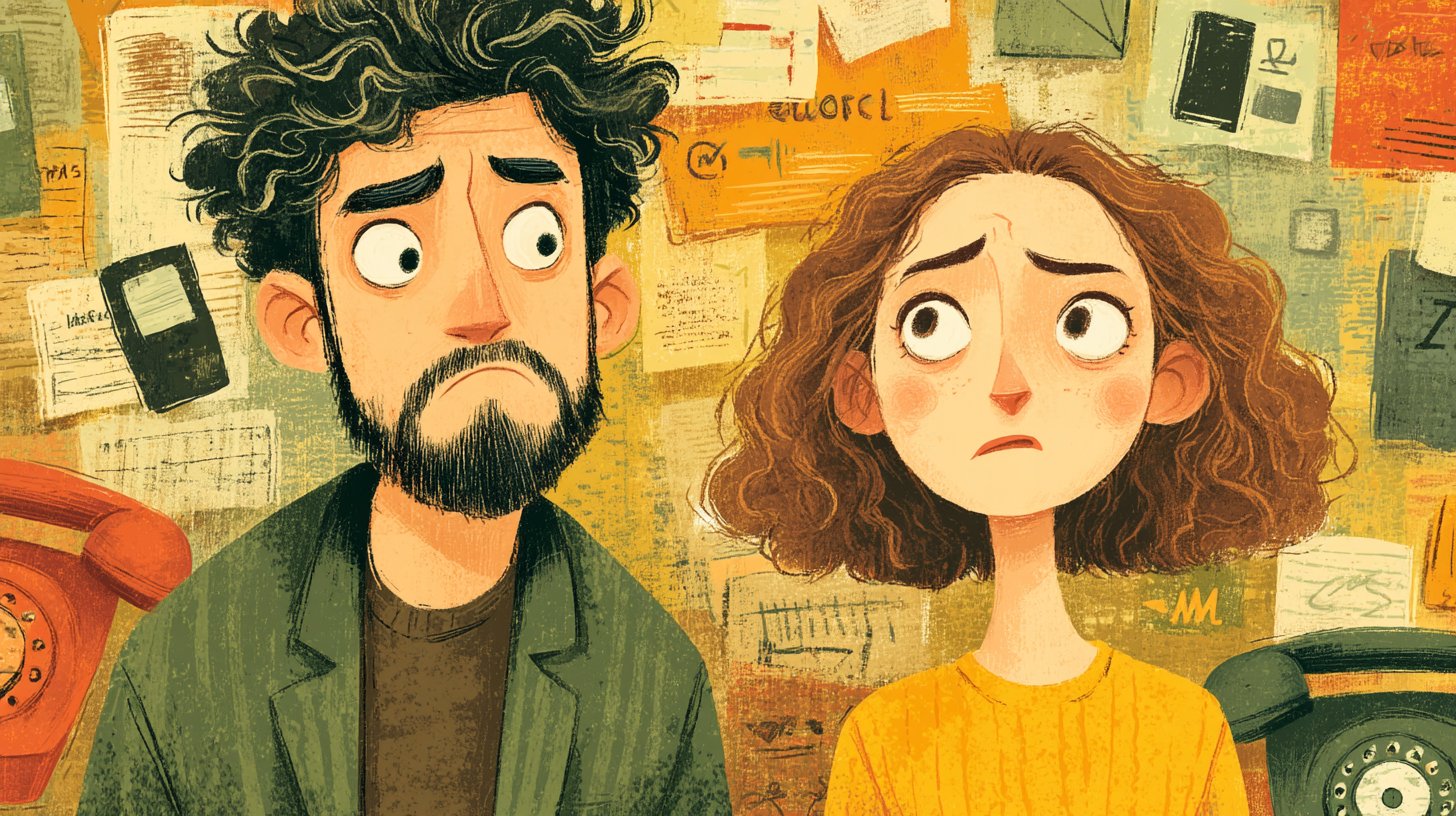

In relationships, communication, trust, and understanding are crucial. Often, couples find themselves in conflicts without knowing where they come from. This understanding is key to establishing a deeper relationship and avoiding misunderstandings. Let's learn how to identify and manage conflicts to promote a harmonious coexistence.
Conflicts are unavoidable in any relationship, be it romantic, friendly, or professional. Every relationship goes through different phases, and tensions can arise during these phases. It is important to recognize that not all conflicts are negative. They can also be seen as opportunities for improvement and growth. However, if we do not actively engage with the causes, misunderstandings can arise that burden the relationship.


Communication problems as a main cause
One of the biggest problems in relationships is how we communicate with each other. Often, we do not express our needs and feelings clearly enough, which leads to misunderstandings. Sometimes, we also do not listen properly because we focus on our own thoughts. It is important to listen actively and ensure that we understand our partner correctly. Open and honest communication builds trust and helps us clear up misunderstandings before they lead to larger conflicts.

Another aspect of communication is tone and body language. Often, it is not just the words we choose but also how we say them that can lead to conflicts. A sarcastic comment or an impatient tone can unexpectedly be hurtful. Pay attention to how you talk to your partner and try to remain calmer and more respectful in stressful situations.
Different expectations and needs
Another common cause of conflict in relationships is differing expectations. Each person brings their own ideas and needs into a relationship, and often these are not compatible. One may expect the other to spend more time together, while the other values personal freedom. Such differences can easily lead to disappointments if not openly discussed. It is essential to have regular conversations about expectations and to find mutually acceptable solutions.

It helps to have a transparent discussion about what each person expects from the relationship. During these conversations, it is important to be willing to make compromises. It is not always possible for both partners to have their expectations met 100%, but through understanding and patience, a middle ground can often be found that works for everyone involved.
Past and unprocessed emotions
Another underlying reason for conflicts can be unprocessed emotions and past experiences. Often, we bring old wounds and conflicts from previous relationships into our new relationship. This can lead to vulnerable reactions when similar situations arise. It is therefore important to become aware of these emotions and to work on them. By understanding and addressing the past, we can prevent it from burdening our current relationships.

It can be helpful to involve your partner in this process. Share with them what is troubling you and why certain situations may elicit emotional reactions. Often, this can be a way to grow together and strengthen trust. Sometimes professional support, such as therapy, can also be sought to address deeper emotional issues and foster a healthy relationship.
In summary, conflicts in relationships are normal and often caused by communication problems, differing expectations, or unprocessed emotions. The key to resolving these conflicts lies in open and honest communication, as well as in the willingness of both partners to work on the relationship. Instead of viewing conflicts as a threat, we should see them as an opportunity to better understand each other and deepen the relationship. When we are willing to work together on our challenges, we can build a strong and fulfilling relationship that withstands all difficulties.